The Evolution of Financial Goals and the Power of Value Investing

Investing is not just about growing wealth; it’s about aligning your financial decisions with your life goals. Over time, these goals may evolve, but the key to success lies in having a clear strategy and the discipline to stick to it. As an investor, my journey has been shaped by changing priorities, lessons learned, and a commitment to value investing—a philosophy that emphasizes long-term compounding, low risk, and high reward.
The full video where I discuss value investing and my personal experience can be found here:
From Financial Independence to Building Legacy
My initial goal was straightforward: achieve financial independence by building a portfolio that could generate $1,000,000 in dividends at a 5% yield. This would allow me to live off passive income and enjoy the freedom that comes with it. However, as my career and personal circumstances evolved, so did my objectives.
In the early stages, I didn’t have significant capital to invest, so my focus was on making the most of what I had. The 2010s were a period of growth and learning, where I honed my investment skills and built a foundation for future success. Over time, my goals shifted from personal financial independence to creating value for others. Through my research platform and portfolios, I now aim to compound not only my own wealth but also the wealth of my clients. This shift reflects a deeper purpose: to build something lasting that benefits both my family and the broader community.
The Value Investing Mindset
Value investing is at the core of my strategy. It’s not about chasing short-term gains or following market trends; it’s about identifying undervalued opportunities with strong fundamentals and holding them for the long term. This approach minimizes risk while maximizing the potential for compounding returns.
One of the key principles of value investing is avoiding significant losses. A single 50% decline in your portfolio can wipe out years of compounding progress. By focusing on high-quality investments and maintaining a disciplined strategy, you can navigate market volatility and achieve consistent growth over decades. For example, my model portfolio, which started with $40,000 and includes monthly contributions, has the potential to grow to $600,000, $1 million, or even $1.6 million over the next 20 years, depending on performance. The key is to stay the course and let compounding work its magic.
Real-Life Opportunities and Preparedness
Value investing isn’t just about stocks; it’s about recognizing opportunities in all areas of life. In 2015, I purchased a house for $280,000, which is now valued at $700,000. At the time, the mortgage payment was $1,000 after taxes, compared to much higher rental costs. This was a clear value investment that others overlooked due to short-term concerns. By acting decisively and thinking long-term, I was able to capitalize on this opportunity.


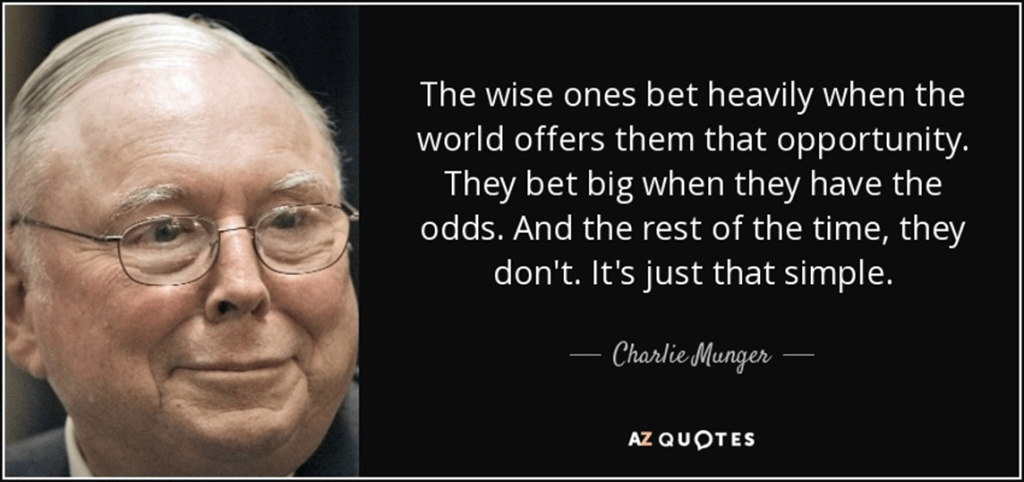
As Charlie Munger wisely said, “The wise ones bet heavily when the world offers them that opportunity. They bet big when they have the odds, and the rest of the time, they don’t.” This mindset is crucial for value investors. When the right opportunity arises, you must be prepared to act with conviction.
Balancing Life and Investing
While financial goals are important, life is about balance. I’ve come to realize that I may never fully retire because I genuinely enjoy the process of investing, researching, and building something meaningful. Like Warren Buffett and Charlie Munger, I believe in keeping the mind active and engaged. Investing is not just a means to an end; it’s a lifelong journey of learning and growth.
Additionally, giving back has become an integral part of my financial goals. Through charitable initiatives, such as building schools in Nepal and supporting local causes, I’ve found a deeper sense of purpose. This aligns with the idea that true wealth is not just about accumulating money but also about making a positive impact on the world.
Crafting Your Long-Term Strategy
The most important lesson I’ve learned is the importance of having a clear, long-term strategy. Where do you want your finances to be in 20 years? What are the risks of not achieving those goals? By answering these questions, you can build a compounding machine that works for you, regardless of market conditions.
Value investing provides the framework for this strategy. It’s not about chasing the next big thing or reacting to short-term market movements. It’s about staying focused on fundamentals, avoiding unnecessary risks, and letting time and compounding do the heavy lifting.

If you want to learn more about value investing and the risk and reward of stocks, check out my Value Investing Risk & Reward Quadrant.
Conclusion
Investing is a journey that evolves with your life goals. Whether you’re aiming for financial independence, building a legacy, or giving back to your community, the key is to have a clear strategy and the discipline to stick to it. Value investing offers a proven path to long-term success, emphasizing low risk, high reward, and the power of compounding.
As you reflect on your own financial goals, remember that the best opportunities often come to those who are prepared. Stay focused, think long-term, and let the principles of value investing guide you toward a prosperous future.
For those looking to deepen their understanding and develop the right mindset, consider exploring value investing courses and resources that can help you achieve your financial goals with confidence. The journey may be long, but the rewards are well worth it.