Exploring Opportunities in the Food Sector: A Deep Dive into Food Stocks and Brand Dynamics
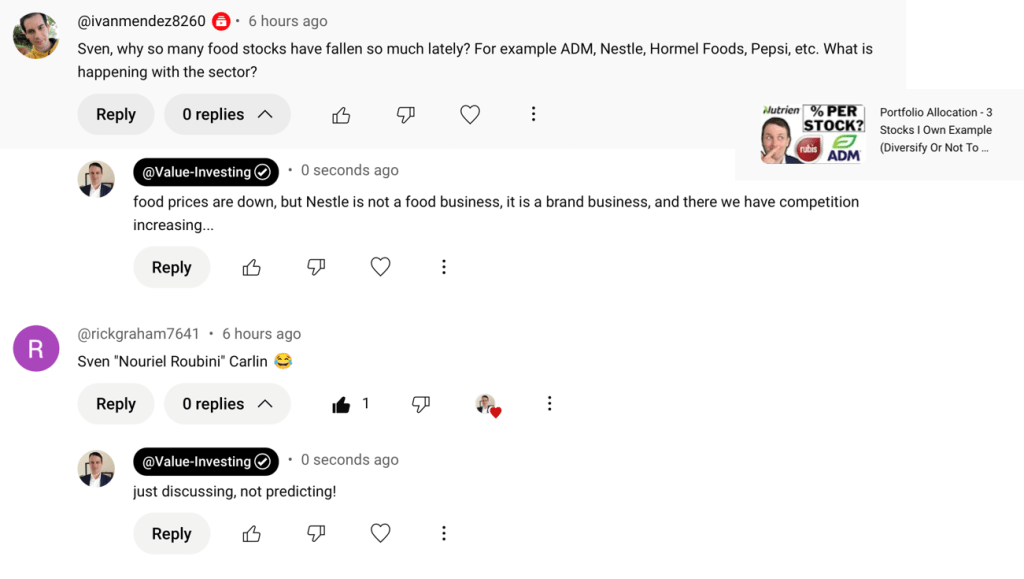
The food sector has recently faced significant challenges, with notable declines in stocks such as ADM, Nestle, Hormel Foods, and Pepsi. This trend has sparked discussions among investors about the underlying causes and whether the sector presents viable investment opportunities. To understand the current landscape, it’s essential to distinguish between two distinct segments: food companies and food brand companies. These categories operate differently and are influenced by unique market dynamics.
Check out the full video on YouTube, if you prefer reading however, keep scrolling.
Understanding the Divide: Food vs. Food Brands
Food companies, such as ADM, are primarily involved in the production, processing, and trading of raw agricultural commodities like grains, oils, and carbohydrates. Their performance is closely tied to global food prices, which are cyclical and influenced by factors such as supply chain disruptions, geopolitical events, and macroeconomic trends.
On the other hand, food brand companies, like Nestle and Pepsi, focus on consumer-facing products with strong brand equity. These companies rely on marketing, innovation, and consumer loyalty to maintain their market position. However, the rise of private labels and new entrants, such as Mr. Beast’s Feastables, has intensified competition, challenging the dominance of established brands.

The Cyclical Nature of Food Stocks
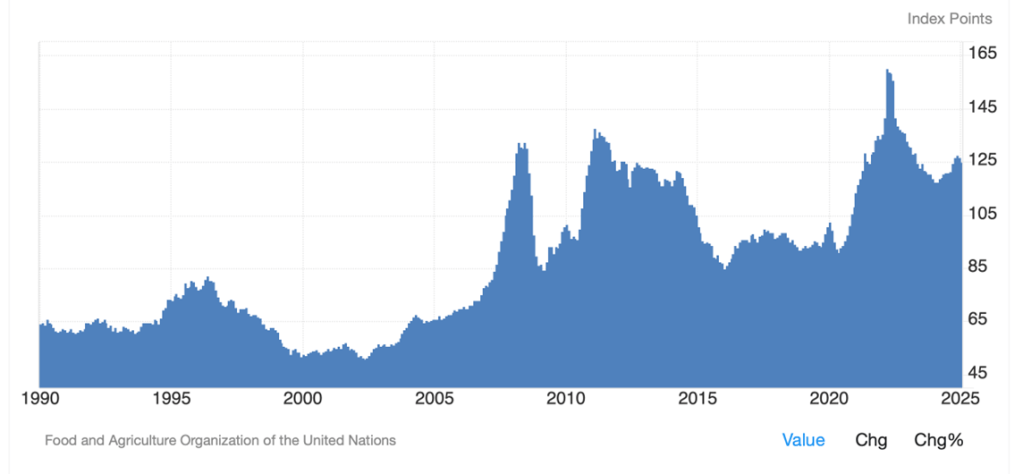
The performance of food companies is inherently tied to the cyclicality of food prices. Historically, the food sector experiences periods of boom and bust, driven by fluctuations in commodity prices. For instance, the World Food Price Index has shown a pattern of highs and lows, with inflationary pressures contributing to long-term upward trends.
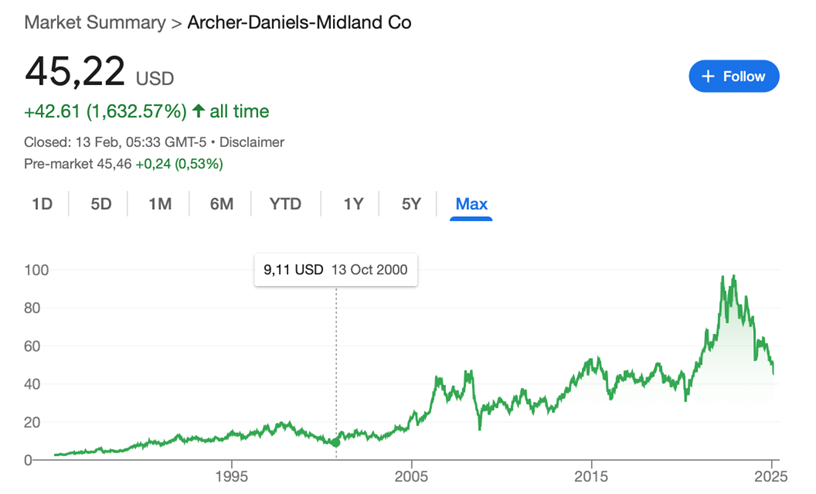
A prime example of this cyclicality is ADM, a leading food processor. During boom periods, ADM’s stock has surged by 200-300%, only to decline by 50% during downturns. This volatility is typical of cyclical industries, where profits ebb and flow with market conditions. Despite these fluctuations, ADM has demonstrated resilience, maintaining a 51-year streak of increasing dividends and 90 consecutive years of dividend payments. For long-term investors, such companies offer the potential for steady income and capital appreciation during recovery phases.
Challenges Facing Food Brand Companies
While food companies navigate commodity price cycles, food brand companies face a different set of challenges. The pandemic initially provided a boost to these companies as consumers stocked up on branded products. However, the post-pandemic period has seen stagnation in revenue and net income for many players, including Nestle and Pepsi.
One significant factor is the erosion of brand strength. The proliferation of private labels and direct-to-consumer brands, such as Mr. Beast’s Feastables, has fragmented the market. These new entrants often leverage lower production costs and aggressive marketing strategies to compete with established brands. For example, Nestle’s operating income has stagnated, and its stock, while trading at a price-to-earnings (P/E) ratio of 20, remains expensive relative to its free cash flow yield of 4-5%. Similarly, Kraft Heinz has struggled to grow its earnings over the past decade, reflecting the challenges of maintaining market share in a competitive landscape.
Valuation and Investment Considerations
From a valuation perspective, many food brand stocks appear relatively cheap compared to the broader market. For instance, Pepsi trades at a P/E ratio of 20, while Kraft Heinz and General Mills have P/E ratios of 17 and 15, respectively. However, these valuations are not absolute bargains, especially when compared to historical benchmarks. Warren Buffett’s acquisition of Coca-Cola in 1988, for example, was made at a P/E ratio of 12—a stark contrast to today’s valuations.
Moreover, dividend yields in the sector typically range from 3% to 5%, which may not be sufficient to outpace inflation or compete with risk-free alternatives like the 10-year Treasury yield. This raises questions about the risk-reward profile of these investments, particularly in an environment where competition is intensifying and consumer preferences are shifting.
Conclusion: Weighing the Opportunities
The food sector presents a mixed bag of opportunities and risks. For investors willing to navigate the cyclicality of food companies, stocks like ADM offer the potential for significant returns during recovery phases, coupled with reliable dividend income. However, the sector’s volatility requires a long-term perspective and a tolerance for market fluctuations.
In contrast, food brand companies face structural challenges, including heightened competition and stagnating growth. While some brands may continue to perform well, the sector as a whole may struggle to deliver stellar returns. Investors should carefully assess whether these stocks align with their portfolio objectives and risk tolerance.
Ultimately, the key to success in the food sector lies in understanding its nuances and identifying companies with strong fundamentals, competitive advantages, and the ability to adapt to changing market dynamics.
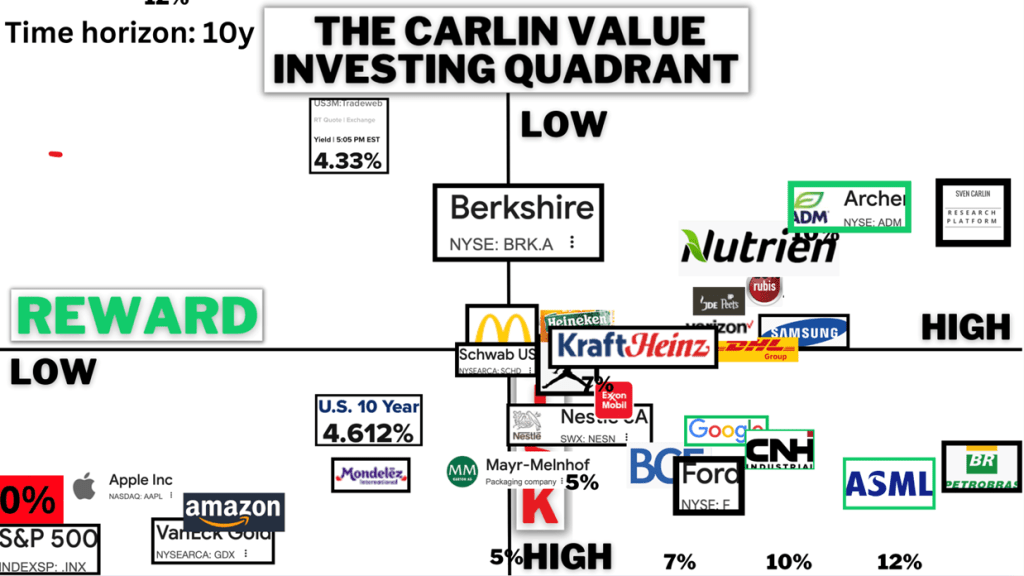
Value Investing Risk & Reward Quadrant (check all the stock analyses)
Why have food sector stocks recently declined?
Food stocks have declined over the past years as the competition amongst them and thanks to private labels intensifies.
Are food brand stocks currently undervalued?
Food stocks are fairly priced in the current environment.
What should investors consider before investing in food stocks?
The brands are not as powerful as they once were, thus yes, many food stocks have strong brands, but if that isn’t reflected in higher margins or growing revenues, the brands might not be as strong as perceived.
Should I invest in food stocks?
Food stocks are good dividend payers, but often the stock does nothing for a long-time, thus be ready to average down if possible and gain on the subsequent cyclical upturn.